 Yipkin
Do you have to label AI influencer posts?
Short answer: on TikTok and YouTube, yes for realistic AI content. Instagram adds its own label. And paid posts need an ad disclosure whether the person is real or not. Each rule below links to the platform's own page.
4 free pictures to start. No card.
The rules at a glance
| Where | What the rule says | Source |
|---|---|---|
| TikTok | Creators must label AI-made or significantly edited content that looks realistic. Unlabelled content may be removed, restricted or labelled by TikTok. | TikTok integrity rules |
| YouTube | Creators must disclose realistic AI-made or altered content, using the AI setting in YouTube Studio when uploading. | YouTube Help |
| Instagram and Facebook | Meta adds an "AI info" label when it detects industry-standard AI signals or when the person uploading says it is AI. | Meta Transparency Center |
| Fanvue | Open to AI-made media, with disclosure. | Fanvue Help |
| US ads (FTC) | The 2023 update to the Endorsement Guides covers virtual influencers, so paid posts need a clear ad disclosure. | FTC, June 2023 |
Read on each primary page on 8 November 2026. Rules change. This page is not legal advice.
Two different labels
People mix up two separate things. The AI label says the person or scene was made with AI. The ad label says the post is paid or sponsored. An AI influencer can need both, one, or neither.
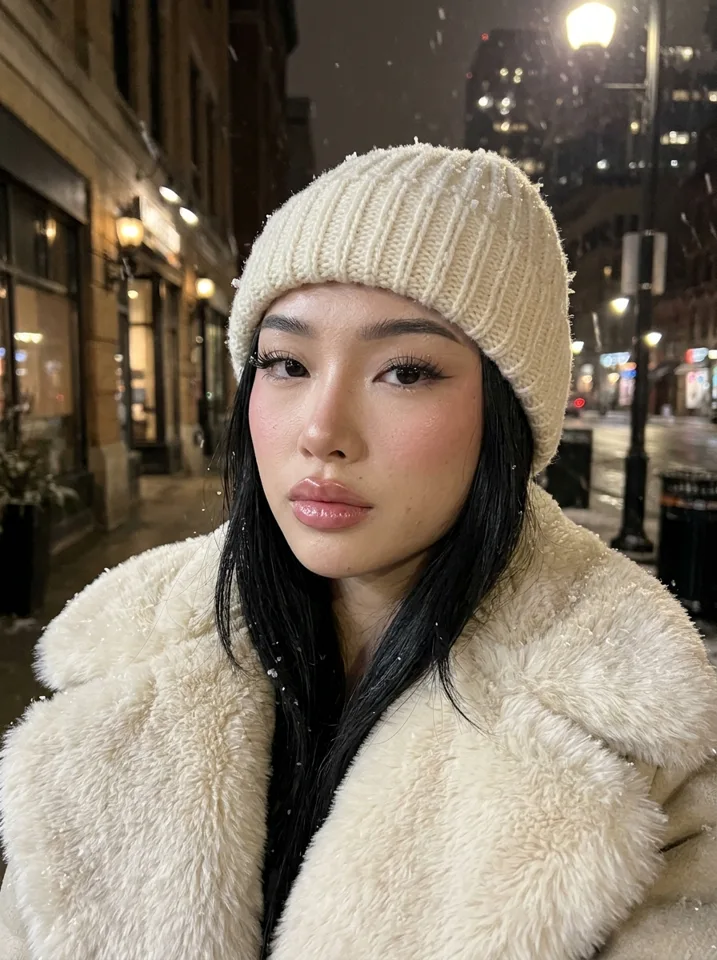
A picture of your AI influencer in a cafe, posted on TikTok, needs the AI label because it looks real. The same picture holding a brand's product that paid you needs the ad label too. A clearly cartoon character is a different case on most platforms, because the AI rules are about content that looks real.
How to label on each platform
TikTok
Turn on the AI-generated content setting when you post. Saying it in the caption as well does no harm.
YouTube
In YouTube Studio, answer yes to the question about altered or synthetic content when you upload.
Use the AI label option when you post if it is offered, and say it in your bio. Meta may add its own label.
Paid posts anywhere
Use the platform's paid-partnership tool and write #ad or "paid partnership" where people will see it.
Say it in the bio too
Labels on each post can be missed. A short line in the bio, such as "AI-made character" or "virtual creator", tells every visitor at once. It also protects the page: followers who find out later and feel tricked are the ones who report it.
Need bio wording? The free AI influencer bio generator adds an AI line to every bio it writes.
What Yipkin will and will not make
Yipkin makes fictional adults only. Famous people and anyone who may be under 18 are refused, and a real person can be used only with their permission. Everything is safe-for-work: the everyday posts for Instagram, TikTok and other social pages. That keeps you clear of the hardest rules before labels even come up.
Made on Yipkin
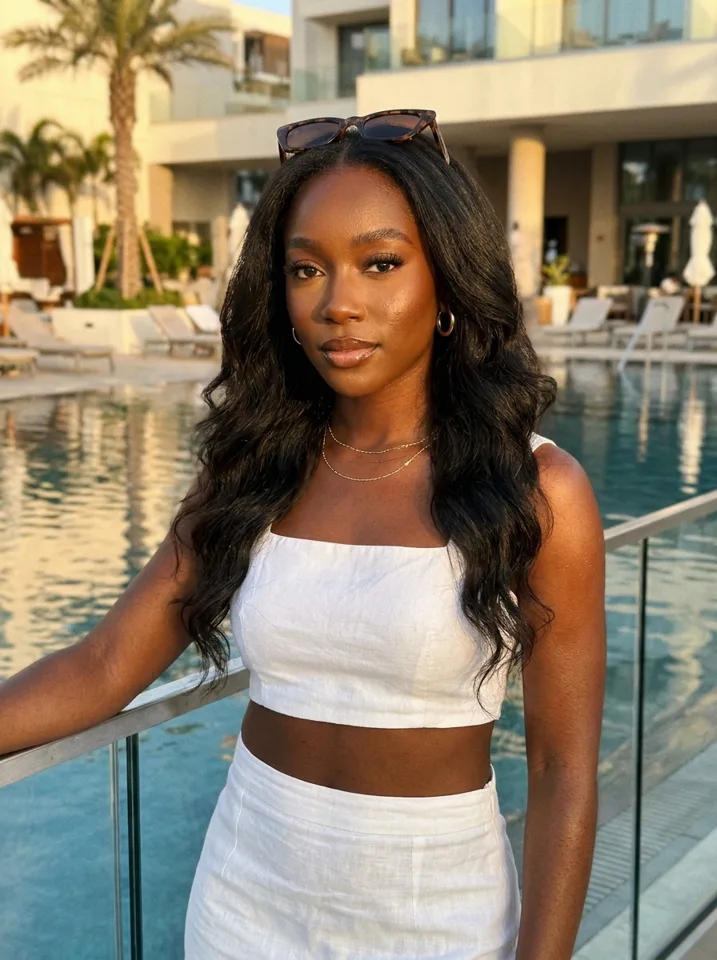
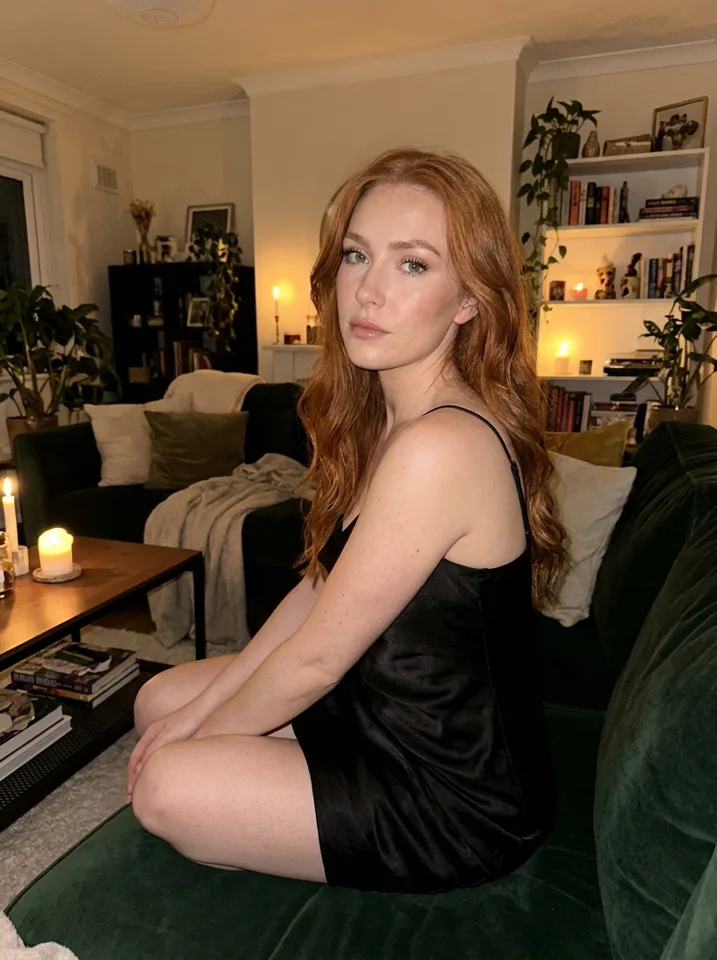
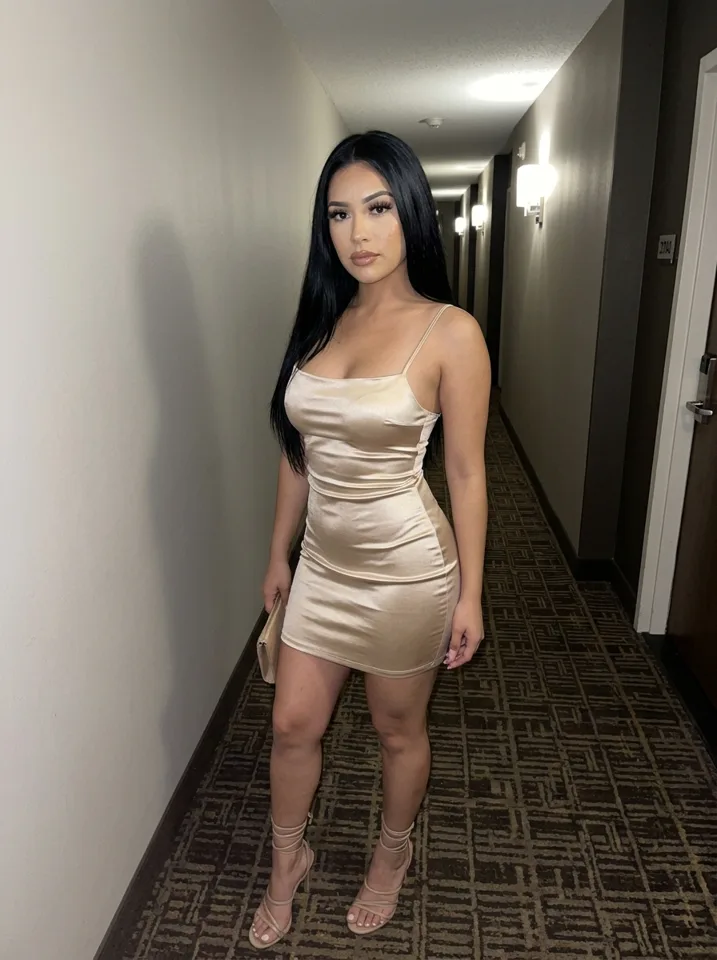
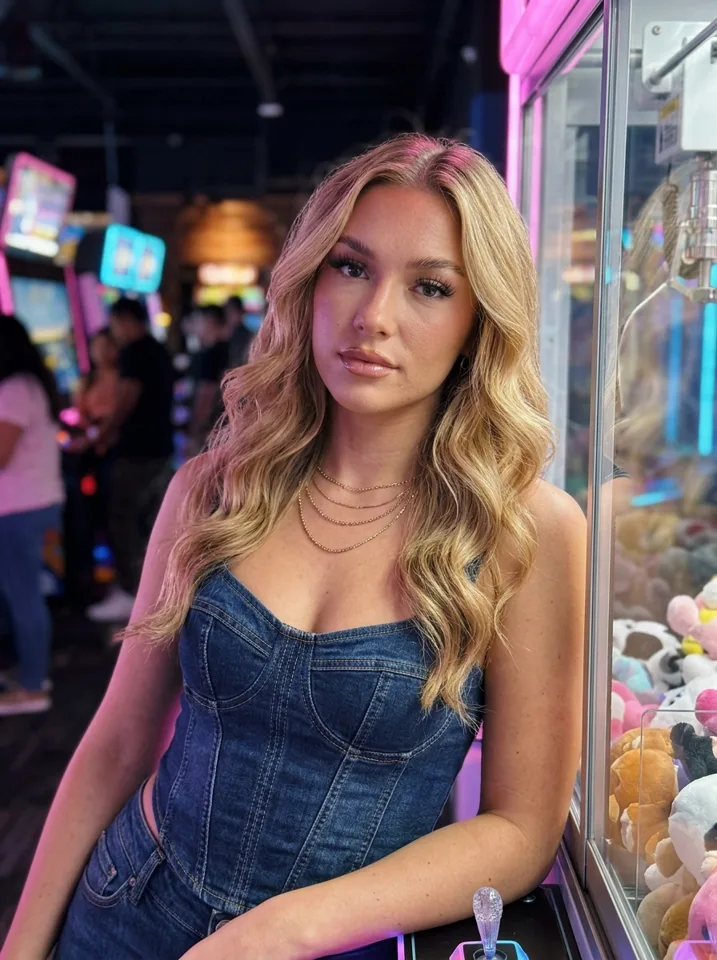
Questions
Do I have to label AI influencer posts on TikTok?
Yes, if the content looks realistic. TikTok requires creators to label AI-made or significantly edited content, and may remove, restrict or label it if you do not.
Do I have to disclose AI on YouTube?
Yes, for realistic AI-made or altered content. YouTube asks you to disclose it in YouTube Studio when you upload.
Does Instagram require an AI label?
Meta adds an "AI info" label when it detects AI signals or when you say the content is AI. Using the label when you post is the safe choice.
Do AI influencers need #ad on sponsored posts?
Yes. The FTC's 2023 update to the Endorsement Guides covers virtual influencers, so paid posts need a clear ad disclosure.
Is this legal advice?
No. It is a summary of each platform's own page on 8 November 2026, with links. Check the current rules before you post.